


Spotting Diarrhea in Chicks Before It’s Too Late
Early intervention is key when it comes to chick diarrhea. Knowing the signs can mean the difference between a thriving flock and potential losses. So, what should you be looking for? Let’s explore the often subtle indicators of diarrhea in chicks.
What Does Normal Chick Poop Look Like?
Before identifying unhealthy droppings, it’s important to understand what’s normal. Newly hatched chicks will initially pass dark, greenish-black droppings. This is due to the absorption of the yolk sac and is completely natural.
Once they start eating, their droppings will shift to a brownish color with a white urate cap. The consistency should be firm, not watery. Knowing this helps you spot any deviations.
Identifying the Tell-Tale Signs of Diarrhea
Diarrhea in chicks appears as excessively watery droppings. The color can range from yellowish to green or even dark brown. One key indicator is the absence of a solid white urate cap. The droppings will look more uniform.
Another sign is a dirty and matted vent area, indicating persistent diarrhea. This can lead to pasty butt, a dangerous condition where dried droppings block the vent.
Behavioural Changes: Another Important Clue
Changes in chick behavior can also indicate diarrhea. Affected chicks may seem lethargic and tend to huddle together for warmth. They might also display a decreased appetite and reduced water intake, leading to dehydration.
For instance, an active chick that’s usually busy pecking might become withdrawn and inactive. These behavioral changes can sometimes appear before the physical signs of diarrhea, providing valuable early warnings.
Daily Health Checks: Your Frontline Defence
Regular health checks are crucial for early diarrhea detection. Observe each chick’s droppings and behavior. Also, monitor the brooder’s temperature and ventilation, as environmental factors can contribute to digestive problems.
Make these checks part of your daily routine. If you notice any of the signs mentioned, isolate the affected chick immediately to prevent the spread of potential illness. Early detection and prompt action are vital for protecting your flock.
Why Diarrhea in Chicks Happens (And How to Stop It)
Understanding why your chicks have diarrhea is key to keeping them healthy and preventing losses in your flock. Several things can cause this digestive upset, from infections to environmental stress. Let’s explore the common culprits and how to address them.
Infectious Diseases: A Major Threat to Young Chicks
Bacterial and parasitic infections are a serious risk for chicks because their immune systems are still developing. Coccidiosis, a parasitic infection, is a major cause of diarrhea in young birds. It thrives in damp, crowded spaces, making proper brooder hygiene essential. Salmonella, a bacterial infection, is another concern, causing diarrhea and other serious health issues.
Viruses can also trigger diarrhea. Rotavirus infections, for instance, are especially dangerous for very young chicks. Figuring out the specific pathogen requires a vet’s diagnosis, usually through a fecal test. This allows for the right treatment and stops the disease from spreading in your flock.
Environmental Factors: Creating a Breeding Ground for Disease
The environment plays a significant role in chick health. Overcrowding creates stress and raises the risk of diseases spreading. Imagine a packed subway car – germs spread quickly. Likewise, poor ventilation allows ammonia and other harmful gases to build up, irritating chicks’ respiratory systems and making them vulnerable to infections like coccidiosis. Learn more in our article about How to master….
Temperature changes also stress chicks, weakening their immune systems and potentially causing diarrhea. Just like we’re more prone to catching a cold when chilled, chicks are more susceptible to infections when the temperature isn’t right. Maintaining a steady, appropriate brooder temperature is crucial for preventing digestive problems. You might be interested in: How to master… for further insight.
Nutritional and Management Mistakes: Even Experienced Keepers Can Slip Up
Sudden feed changes can upset a chick’s sensitive digestive system, leading to diarrhea. Think about switching from a bland diet to something spicy – your stomach might react badly. The same applies to chicks. Introduce new feed gradually to prevent digestive upset.
Clean, fresh water is essential. Dirty water can harbor harmful bacteria and parasites that directly cause diarrhea. Regularly cleaning waterers and ensuring a constant supply of fresh water minimizes this risk.
Stress, from things like transportation or handling, can also trigger diarrhea. Minimizing stress through gentle handling and a calm environment keeps chicks healthy and their digestion running smoothly. Just like we experience digestive issues when stressed, chicks are also affected by anxiety and stressful situations. These seemingly small things can significantly impact chick health, highlighting the importance of careful management.
Emergency Treatment That Actually Works for Sick Chicks
When you find a chick with diarrhea, acting quickly is critical. Knowing the correct treatment can significantly increase its survival rate. This section outlines effective emergency procedures for treating sick chicks.
Rapid Rehydration: A Lifeline for Dehydrated Chicks
Diarrhea quickly dehydrates chicks, robbing them of essential fluids and electrolytes. Electrolyte solutions are vital for rehydration and can be a true lifesaver. You can find electrolyte solutions designed specifically for poultry at your local agricultural supply store. Alternatively, a homemade solution can be made by dissolving small amounts of sugar and salt in clean, lukewarm water.
Administer the electrolyte solution gently with a syringe or dropper. Make sure the chick swallows small amounts at a time. Avoid forcing large quantities, which could cause aspiration.
Supportive Care: Creating an Optimal Recovery Environment
While rehydration is essential, supportive care is just as important. Place the sick chick in a warm, clean, and quiet environment, away from other birds. This reduces the chance of spreading any infection and lets the chick rest and recover.
Keep the brooder temperature a bit higher than normal to help the chick conserve energy. Proper ventilation is also crucial to prevent the buildup of harmful gases, but avoid drafts that could chill the chick. Check out our guide on How to master… for more information on ideal brooding conditions.
Probiotics and Medications: When to Use Them and When to Seek Help
Probiotics can help restore the good bacteria in the chick’s gut, supporting recovery from diarrhea. They’re available in powder or liquid form and can be added to the chick’s water or food.
However, some cases of diarrhea require professional help. If the chick doesn’t improve within 24-48 hours of starting electrolyte therapy and supportive care, consult a veterinarian. They can diagnose the underlying reason for the diarrhea and prescribe appropriate medications if needed. Never give medications to chicks without veterinary advice.
Monitoring Treatment Progress: Knowing When Your Intervention Isn’t Working
Monitor the chick’s condition closely after beginning treatment. Watch for signs of improvement like increased activity, a renewed appetite, and firmer droppings. Weigh the chick every day to track its progress and watch for any further weight loss, which is a major sign of dehydration.
If the diarrhea continues or gets worse, or if the chick develops other symptoms such as lethargy or breathing problems, seek immediate veterinary attention. Acting quickly is essential for effective treatment and greatly improves the chick’s chances of survival. Remember, time is of the essence when treating diarrhea in chicks.
Bulletproof Prevention Strategies That Keep Chicks Healthy
Preventing diarrhea in chicks is much easier than treating it. Being proactive with hygiene, their environment, and health management is key. This section explores practical strategies used by successful poultry keepers to ensure their flocks thrive.
Hygiene Protocols: The First Line of Defense
A clean brooder is essential. Regularly cleaning and disinfecting helps minimize the risk of bacterial and parasitic infections, which are major causes of diarrhea. Remove droppings daily, and thoroughly clean and disinfect the brooder at least once a week. It’s as simple as washing your hands – a small act that significantly reduces the spread of germs.
Providing clean, fresh water is also crucial. Contaminated water can be a breeding ground for harmful pathogens that can cause diarrhea. Regularly clean waterers and ensure a constant supply of fresh water.
Environmental Management: Creating a Healthy Space
Just like we need a comfortable home, chicks need a healthy environment. Overcrowding stresses chicks and makes it easier for diseases to spread. Ensure adequate space so chicks can move freely, reducing stress and competition for resources.
Proper ventilation is also important. Good airflow prevents the buildup of ammonia, which can irritate chicks’ respiratory systems and weaken their immunity. Maintaining the correct temperature is equally important. Chicks are sensitive to temperature fluctuations, which can stress them and make them more susceptible to illness.
Feed Management Practices: Supporting Healthy Digestion
A chick’s diet plays a vital role in its digestive health. Just like we need a balanced diet, chicks need appropriate feed. Sudden feed changes can upset their sensitive digestive systems. Introduce new feed gradually to allow the chicks to adjust, minimizing the risk of diarrhea.
You might be interested in How to master… for additional tips on chick management. While specific data on chick diarrhea in the UK is limited, broader poultry health issues, like Avian Influenza, highlight the importance of disease prevention. These challenges have significantly impacted the UK poultry industry. For example, in the second quarter of 2022, the UK’s egg production was 6.5% lower than in 2021, partly due to avian influenza housing orders. Find more detailed statistics here.
Biosecurity Measures: Shielding Your Flock
Biosecurity measures are essential for preventing the introduction of diseases. This includes limiting visitor access to your coop and enforcing strict hygiene protocols for anyone who enters. It’s like creating a protective bubble around your chicks.
Quarantine procedures are also essential. New chicks should be isolated before joining your existing flock. This allows you to monitor them for any signs of illness, including diarrhea, before they potentially infect other birds.
Vaccination Schedules: Proactive Disease Protection
Vaccinations are vital for preventing diseases that can cause diarrhea. Consult a vet to determine the appropriate vaccination schedule for your chicks. This proactive approach helps build a strong immune system, protecting them against potential threats. This comprehensive prevention strategy reduces diarrhea and contributes to the overall health and productivity of your flock.
Getting Professional Help (And When You Really Need It)
Knowing when chick diarrhea warrants professional help can be the difference between life and death. Home remedies are often helpful, but sometimes a veterinarian’s expertise is essential. This guide will help you recognize those critical moments and communicate effectively with your vet.
Recognizing When Home Treatment Isn’t Enough
Persistent diarrhea, even with home treatment, is a serious warning sign. If your chick’s diarrhea hasn’t improved, or gets worse, within 48 hours of starting electrolyte solutions and supportive care, it’s time to contact your veterinarian. This is especially important if the chick shows other symptoms, such as significant lethargy, bloody droppings, or labored breathing.
A rapid decline in the chick’s health, like noticeable weight loss or a total loss of appetite, also requires immediate veterinary attention. These can indicate a potentially serious underlying problem needing professional diagnosis and treatment.
Communicating Effectively with Your Veterinarian
Before you call your vet, gather essential information. Note the chick’s age, breed, and when the diarrhea began. Describe the diarrhea’s color, consistency, and how often it occurs. Also, list any other symptoms and treatments you’ve already tried. This detailed information helps your vet quickly understand the situation.
For instance, instead of saying “my chick has diarrhea,” be specific: “My two-week-old Rhode Island Red chick has had watery, yellow diarrhea for three days. I’ve administered electrolytes, but the diarrhea is ongoing, and the chick is now lethargic.” Clear, precise language helps your vet make a faster, more accurate diagnosis.
What to Expect During a Veterinary Consultation
Your vet will probably perform a physical exam and may suggest diagnostic tests. These could include fecal examinations to detect parasites or bacterial infections, blood tests to evaluate overall health, or even a post-mortem examination if a chick has died.
Based on the diagnosis, your vet will prescribe the appropriate treatment. This might include antibiotics, antiparasitic medications, or continued supportive care. They’ll also advise you on how to give the medication and monitor the chick’s progress. You might be interested in: How to master… for more details on chick development and care.
Implementing Professional Treatment Recommendations and Maintaining Flock Health
Carefully follow your vet’s instructions. Administer medications exactly as prescribed and continue supportive care. Isolate the sick chick to prevent the disease from spreading to the rest of your flock.
Maintain strict hygiene, including regular cleaning and disinfection of the brooder. This helps prevent future issues and protects your flock’s overall health.
By knowing when to seek professional help and communicating clearly with your vet, you can ensure your chicks receive the best possible care. This proactive approach significantly increases their chances of recovery and safeguards the health and well-being of your entire flock.
Smart Monitoring Systems for Healthier Chicks
Maintaining a healthy flock begins with a smart monitoring system. This helps you catch potential problems, like diarrhea, early on, preventing them from becoming serious issues. Whether your flock is large or small, a well-structured monitoring system is essential.
Key Parameters for Early Diarrhea Detection
Several factors can indicate emerging digestive issues in chicks. Feed consumption is a primary indicator. A sudden drop can signal illness. Behavioral changes such as lethargy, huddling, or decreased activity are also warning signs.
Growth indicators are another important factor. Healthy chicks grow steadily, so any deviation from the expected growth curve could point to a problem.
Experienced keepers develop sharp observation skills, noticing subtle changes others might miss. They may observe a slight shift in posture or a decrease in chirping, indicating a potential issue even before diarrhea appears.
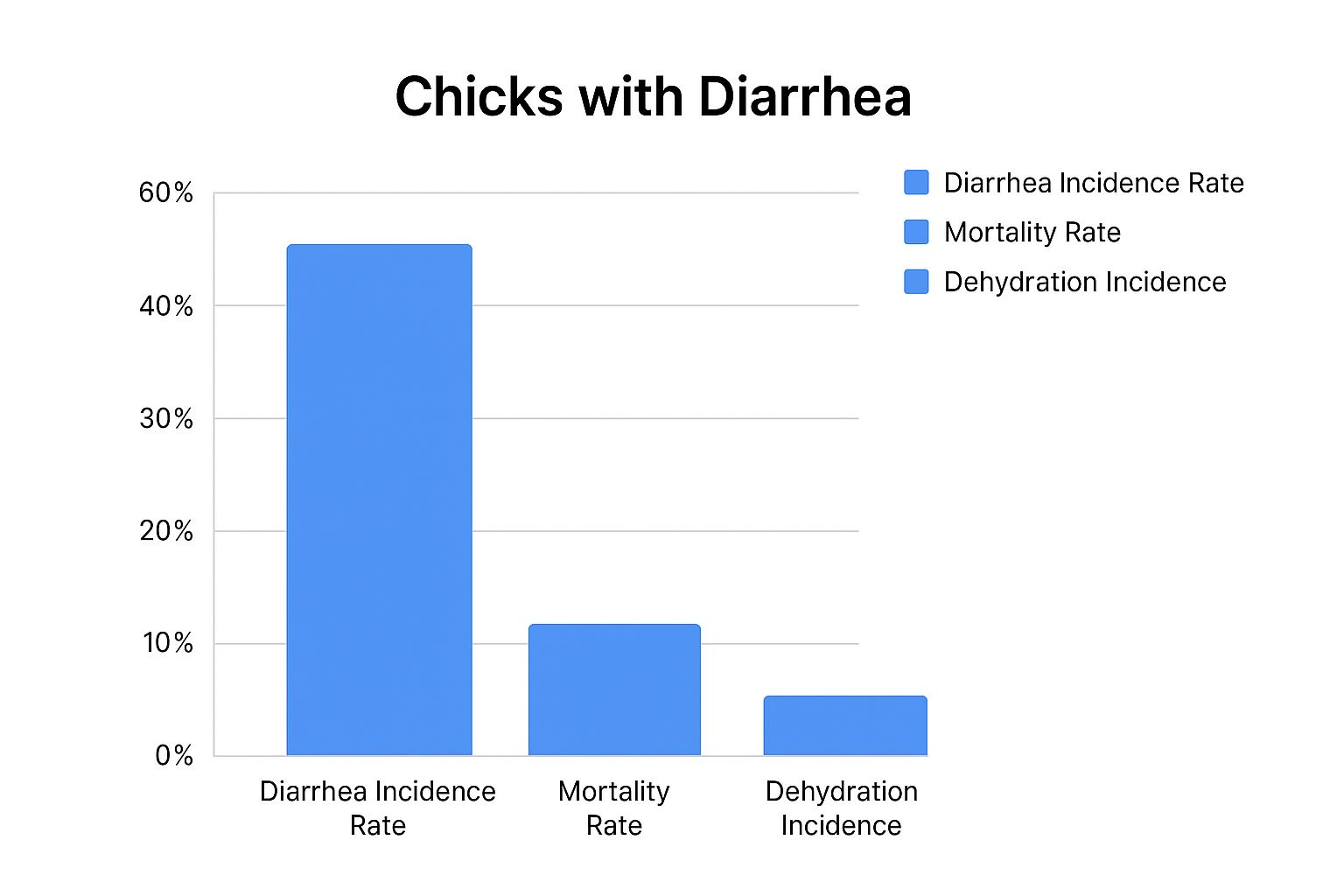
This infographic shows the incidence rate of diarrhea in a flock, along with mortality and dehydration rates. As you can see, a significant percentage of chicks with diarrhea can face dehydration and even death, highlighting the importance of early detection and treatment.
Establishing Effective Monitoring Routines
A consistent monitoring routine is key for early disease detection. Daily checks are ideal, particularly in the first few weeks. These checks don’t need to be lengthy. A quick visual inspection of the chicks, their droppings, and the brooder environment can reveal a lot.
Observation alone isn’t enough. Record-keeping is crucial for tracking trends and providing valuable data to your veterinarian if problems arise. You can use a simple notebook or dedicated software, depending on your needs.
Digital vs. Traditional Record-Keeping
Traditional methods, like handwritten notes, are simple and accessible. Digital systems, however, offer advantages like automated data analysis, customizable reports, and easier information sharing with your vet. Some systems even send alerts if parameters fall outside the normal range.
To maintain a hygienic environment, a key factor in preventing diarrhea, check out our guide on How to master cleaning hatching eggs.
The Importance of Data-Driven Decisions
Whether you choose digital or traditional methods, the collected data becomes a powerful tool. It helps identify recurring health problems, assess treatment effectiveness, and inform management decisions. For example, if records show increased diarrhea cases after a new feed is introduced, you can quickly identify the cause and act accordingly.
The following table provides a quick overview of essential parameters to monitor:
Essential Health Monitoring Parameters for Chick Care
Daily monitoring checklist showing key health indicators to track for early detection of digestive issues
| Parameter | Normal Range | Warning Signs | Monitoring Frequency |
|---|---|---|---|
| Feed Consumption | Steady increase with age | Sudden drop in intake | Daily |
| Behavior | Active, alert, responsive | Lethargy, huddling, reduced chirping | Daily |
| Droppings | Firm, brown/black | Watery, discolored (white, green, yellow) | Daily |
| Growth | Consistent weight gain | Failure to thrive, weight loss | Weekly |
By regularly monitoring these parameters, you can proactively address potential health issues.
Also read: How to master cleaning hatching eggs to improve hygiene and chick health. While comprehensive UK-specific statistics on chick diarrhea aren’t readily available, monitoring overall poultry health is essential. Find more data on UK poultry production here. This data can offer indirect insights into potential health challenges, reminding us of the importance of vigilance. By combining attentive observation with systematic record-keeping, you’ll create a proactive approach to chick health, minimizing the impact of diarrhea and other threats.
Building Long-Term Success With Healthy Flock Management
Successfully preventing diarrhea in chicks isn’t just about reacting to emergencies. It’s about building a sustainable management system that promotes health throughout your birds’ lives. This proactive approach combines proven strategies to minimize disease risk while maximizing both productivity and profitability.
Transitioning Chicks: From Brooding to Independence
As your chicks grow, their needs evolve. Transitioning them from the intensive care of brooding to standard management requires careful attention to their developing digestive systems. Maintaining consistent, high-quality feed is crucial during this period. Much like weaning a baby onto solid food, gradual changes are key to avoiding digestive upset and potential diarrhea.
Ensuring continuous access to clean, fresh water also becomes increasingly important as the flock grows. Dirty water can quickly become a breeding ground for harmful bacteria, contributing to the spread of diarrhea. Regular cleaning and disinfection of waterers are essential to prevent this.
Adapting Environmental Management: Seasonal Changes and Growing Operations
Environmental management must also adapt as your birds mature and the seasons change. Ventilation needs adjust with rising temperatures. Just as you’d open windows in your home on a warm day, providing adequate ventilation in the coop during warmer months prevents the buildup of harmful gases and reduces the risk of infections that can cause diarrhea.
Space requirements also increase along with flock size. Overcrowding creates stress, which weakens birds’ immune systems and makes them more susceptible to illness. This is similar to how people in a crowded room are more likely to catch a cold.
Maintaining Effective Biosecurity: Protecting Your Growing Flock
Biosecurity is an ongoing process, not a one-time fix. As your flock expands, the risk of introducing diseases increases. Think of it like protecting a growing settlement – larger settlements require stronger defenses.
Maintaining strict hygiene protocols, including regularly disinfecting equipment and limiting visitor access, becomes even more critical. Quarantining new birds before introducing them to the existing flock is a crucial step in preventing the spread of diseases, including those that cause diarrhea.
Evaluating and Refining Practices: A Continuous Improvement Cycle
Like any successful endeavor, managing a healthy flock involves constant evaluation and improvement. Tracking health outcomes, such as the incidence of diarrhea, helps pinpoint areas for refinement in your management practices.
For example, if you observe a rise in diarrhea cases after introducing a new type of feed, you can quickly adjust and avoid further problems. This continuous improvement cycle is the cornerstone of long-term success in raising healthy, productive birds.
Building Support Networks: The Power of Collaboration
Building relationships with veterinary professionals and fellow poultry keepers provides invaluable support. A vet can offer expert guidance on disease prevention and treatment, while networking with other keepers allows you to share experiences and learn from their successes and challenges. This collective knowledge equips you to confidently navigate the complexities of poultry raising and maintain a thriving flock.
To help choose the right treatment approach, consider the following comparison:
Treatment Options Comparison for Diarrhea in Chicks: This table provides a comprehensive comparison of available treatment methods, showing their effectiveness, application methods, and appropriate use cases.
| Treatment Type | Effectiveness | Application Method | Best Used For | Veterinary Required |
|---|---|---|---|---|
| Electrolytes | Highly effective for rehydration | Oral administration | Dehydration due to diarrhea | No, but consult a vet if no improvement |
| Probiotics | Supports gut health | Added to food or water | Restoring gut flora after diarrhea | No |
| Antibiotics | Targets bacterial infections | Varies depending on the antibiotic | Bacterial diarrhea, requires vet diagnosis | Yes |
| Antiparasitics | Eliminates parasitic infections | Varies depending on the parasite | Coccidiosis and other parasitic infections | Yes |
This table highlights the importance of understanding the cause of diarrhea before selecting a treatment. While electrolytes and probiotics can be administered without veterinary oversight, antibiotics and antiparasitics require a proper diagnosis from a veterinarian.
Investing in high-quality hatching eggs is the first step in raising a healthy and productive flock. For a wide selection of premium hatching eggs, visit HatchingEggs.eu.