


Understanding Your Runner Duck’s Unique Character
Indian Runner ducks stand out from the typical barnyard duck. Their athleticism and unique personalities make them a fascinating breed. Known for their upright, penguin-like posture and comical antics, these ducks possess a surprising intelligence. Let’s delve into what makes these quirky birds so special. Their upright stance isn’t just a visual quirk; it’s the key to their running ability, allowing them to move swiftly through the garden.
Personality Quirks and Intelligence
Indian Runner ducks are more than just oddly shaped; they’re remarkably intelligent. Their alert and inquisitive nature drives them to explore their surroundings. This natural curiosity can be nurtured through enrichment activities.
- Foraging games: Hide treats around their enclosure to stimulate their natural foraging instincts.
- Obstacle courses: Create simple obstacle courses using readily available materials like logs or bricks.
These activities provide mental stimulation, preventing boredom and potential behavioral issues.
Herding Instincts and Foraging Behaviour
Indian Runner ducks retain strong herding instincts, often moving as a cohesive unit. This makes managing them easier, allowing you to move the flock between areas with minimal fuss. Their innate foraging behavior also makes them valuable pest controllers. They actively hunt for slugs, snails, and other garden pests, contributing to a healthier garden and reducing the need for pesticides. Understanding these instincts is essential for effective garden planning and feeding strategies.
Adaptability to British Conditions
Indian Runner ducks have a surprisingly long history in the UK, dating back to the mid-19th century. They first appeared in County Cumberland in Northern England, quickly gaining popularity for their distinctive traits. Over time, they’ve been extensively bred throughout the British Isles, with organizations like the Indian Runner Duck Club of England playing a key role in their development and preservation.
Despite their historical popularity, they are considered a ‘recovering’ breed. Efforts are underway to bolster their numbers. You can learn more about the history of Indian Runner Ducks here: https://www.survivorlibrary.com/library/all_about_indian_runner_ducks_1912.pdf. Their adaptability to British conditions makes them a resilient and rewarding addition to any UK garden. By understanding their unique character, you can create an environment where your Runner ducks thrive, providing you with prolific egg laying, natural pest control, and endless entertainment.
Housing That Actually Works In British Weather
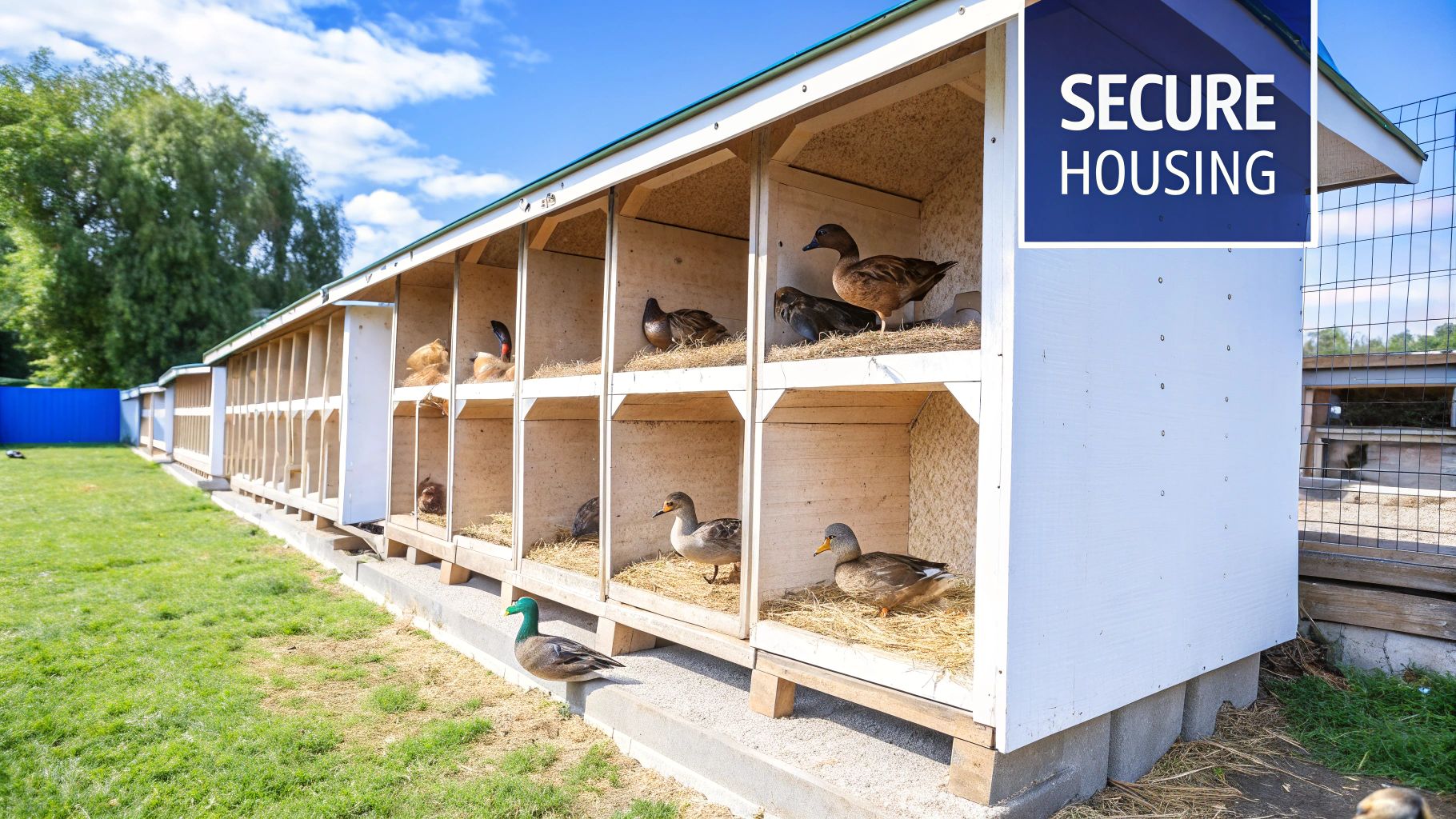
Providing suitable housing for your Indian Runner ducks is essential for their well-being, particularly with the changeable British weather. Unlike chickens, these lively birds need special attention. Their upright posture and active nature mean a standard coop just won’t do. This guide will help you create a duck house perfect for the UK climate.
Key Considerations For Duck Housing
Indian Runner ducks sleep on the ground, not on perches like chickens. This means floor space is key. Provide about 1 square metre per duck inside. A large access door is also crucial. Indian Runners move as a group, so a small opening can create a dangerous bottleneck.
Ventilation is also vital. Ducks can be messy, and good airflow keeps the house healthy and prevents respiratory problems. Also, think about your garden layout and your ducks’ wandering habits. Secure fencing, at least 1 metre high, is crucial to keep them safe and contained.
Choosing The Right Structure
You have several choices for your duck house: permanent or mobile. Permanent houses offer stability and can be adapted to your flock’s needs. Mobile houses let you rotate grazing areas, which helps with pest control. Both options should prioritize security, ventilation, and easy cleaning.
Caring for Indian Runner ducks in the UK involves providing adequate housing and space for their active lifestyle. They need a nutrient-rich diet to support their high egg production. Learn more about Indian Runner duck care. With proper care, including predator protection and a balanced diet, these ducks can live for 10 to 12 years.
Seasonal Adjustments
British weather demands flexibility. During summer rain, ensure your duck house offers enough dry shelter. In winter, add extra bedding such as straw or wood shavings to insulate against frost. You might be interested in: How to master chick health issues. A well-maintained house protects your ducks and supports their overall health and egg laying.
Feeding Strategies That Support Peak Performance

Proper nutrition is essential for healthy Indian Runner Ducks. These active birds have specific dietary needs that extend beyond standard duck feed. Understanding these requirements is key to their well-being and consistent egg production.
Balancing Commercial Feed and Natural Foraging
Commercial duck feed offers a balanced nutritional foundation. However, allowing Indian Runners to forage in your garden provides extra benefits. Foraging allows them to engage in natural behaviors, increasing their overall happiness. It also supplements their diet with insects and fresh greens.
Maintaining a balance is important. Relying too heavily on foraging can lead to nutritional deficiencies, particularly during laying season. High-protein waterfowl pellets, offered as commercial feed, should be their primary food source. This ensures a consistent supply of essential vitamins and minerals for optimal health and egg production.
Choosing the Right Feed
Different life stages require different feed formulations. Ducklings, for instance, need a coccidiostat-free starter feed. Standard chick crumb often contains medication harmful to ducklings. Adult ducks thrive on a layers pellet, similar to chicken feed but without the anti-flick grid, which can interfere with their natural scooping eating motion.
Consider specialized brands like Fancy Feed Fenland Waterfowl Pellets. These are formulated for waterfowl, providing appropriate protein and oil content. This is especially crucial during laying season to support healthy egg production and maintain body condition, particularly in colder climates. You might find this resource helpful: How to master duck egg incubation.
Supplemental Feeding and Calcium Intake
Beyond commercial feed, garden-friendly treats can add nutritional value and enrichment. Offer peas, lettuce, and other greens in moderation. This prevents overindulgence and keeps them interested in their regular feed.
Calcium is vital for laying ducks. It ensures strong eggshells. Offer crushed oyster shells or grit to supplement calcium intake, especially during periods of high egg production. This helps avoid thin-shelled eggs and maintains consistent egg quality. Sufficient calcium is also beneficial during the breeding season for optimal fertility.
Water Systems That Work In Small Spaces
Providing fresh, clean water for your Indian Runner ducks is essential, especially in smaller UK gardens. These ducks need water for drinking, bathing, and bill cleaning. This section explores practical water systems for limited spaces, ensuring your ducks stay healthy and your garden remains manageable.
Drinking Water Solutions for Indian Runner Ducks
Indian Runner ducks have a unique drinking style. They scoop water, often splashing a significant amount. A simple bowl quickly becomes dirty and contaminated.
A raised drinker offers a better solution. Options like the Gaun Tripod Drinker or the BEC Auto-fill Duck Drinker provide a constant supply of fresh water while minimizing mess.
Bathing Opportunities in Confined Areas
A pond is ideal, but not always feasible in a small garden. A children’s paddling pool or a large, sturdy trough provides a suitable alternative. This allows your Indian Runners to bathe and maintain healthy plumage.
Regularly refreshing the water is crucial, especially during warmer months. Change the water daily or every other day depending on the size of the pool and the number of ducks.
Managing Drainage and Preventing Mess
Good drainage is key to prevent a waterlogged garden. Ensure the area around the water source is well-drained.
Using gravel or paving slabs around the paddling pool or drinker contains the mess and keeps the area tidy. This also prevents muddy patches and reduces the risk of foot problems for your ducks.
Winter Water Management
During British winters, prevent your ducks’ water from freezing. A pond heater in a larger water source or a heated drinker for drinking water is essential. This ensures access to vital hydration, even in freezing temperatures.
Consider insulating the drinker or placing it in a sheltered spot to slow down freezing.
Health Management That Prevents Problems
Effective Indian Runner duck care in the UK requires a proactive approach. Instead of reacting to illness, focus on prevention to keep your ducks healthy and happy. This means understanding their specific needs and developing routines suited to the British climate and available resources.
Recognizing Early Warning Signs
Ducks, like other animals, show subtle signs of illness before major problems arise. Experienced keepers learn to spot these early warnings. Behavioral changes, such as lethargy, reduced appetite, or a sudden lack of interest in water, can signal underlying issues.
Physical signs also offer clues. Ruffled feathers, discharge from the eyes or nostrils, and changes in droppings warrant a closer look. Recognizing these subtle cues early lets you address potential health concerns before they escalate. This vigilance is key to maintaining a healthy flock.
Preventive Care Routines
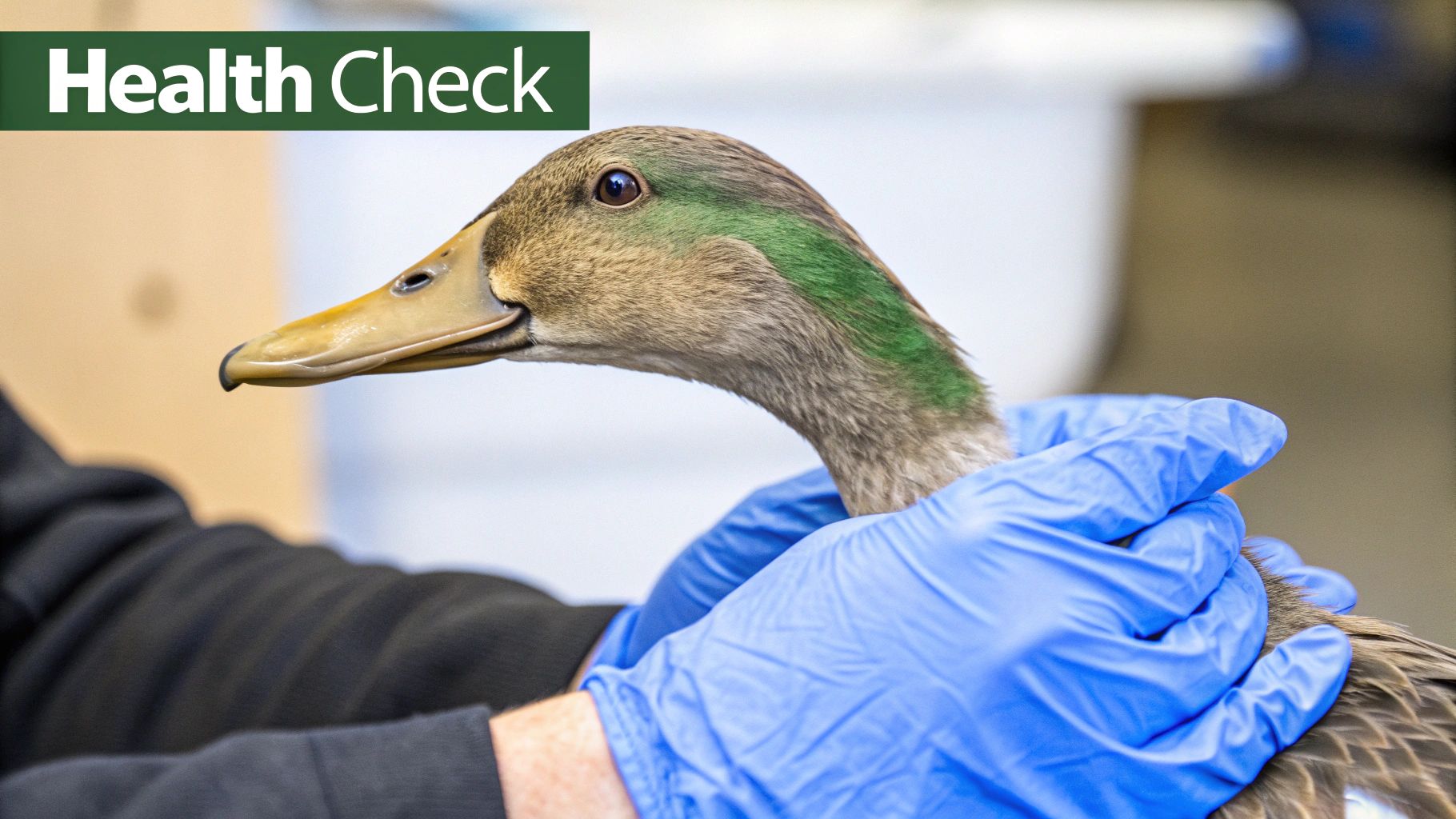
Establishing preventive care routines minimizes the risk of health problems. Parasite management is crucial. Regularly check your ducks for mites and lice. For more in-depth information, see our guide on How to master worming your flock. A clean and dry living environment also helps prevent parasite infestations.
Respiratory health is another important factor, especially in the damp British climate. Good ventilation in their housing is essential for preventing respiratory issues. This becomes particularly important during winter when ducks are more likely to stay indoors.
Building Relationships with Veterinary Professionals
A relationship with a local veterinarian experienced in waterfowl is invaluable. While many vets treat poultry, finding one specializing in waterfowl offers added reassurance. This can be especially helpful with reproductive issues, which are common in laying ducks.
Practical Record-Keeping for Health Management
Keeping practical records helps you track health trends. Note any changes in behavior, appetite, egg production, or physical appearance. These records offer valuable insights, allowing you to identify potential problems early and discuss them with your vet. This proactive approach leads to better treatment and overall health outcomes.
First Aid and When to Seek Help
Knowing basic duck first aid empowers you to handle minor injuries. However, recognizing when professional help is needed is also crucial. If you’re unsure about a duck’s condition, or if symptoms worsen despite basic care, contact your vet immediately. Prompt intervention can make a significant difference.
Be mindful of seasonal health considerations. For example, ducks are more susceptible to stress during moulting season and need extra nutritional support. Understanding these cyclical changes helps you adjust care routines to support your ducks throughout the year, ensuring their health and well-being in every season.
Maximizing Egg Production Year-Round
Indian Runner ducks are well-known for their impressive egg-laying abilities. But getting a consistent supply year-round requires understanding their specific needs. This goes beyond standard Indian Runner duck care and looks at all the factors influencing their laying, from light exposure to managing stress.
Light Management For Optimal Laying
Daylight hours play a big role in egg production. Like chickens, ducks need 14-16 hours of light daily to lay consistently. During shorter winter days in the UK, supplemental light in the coop helps maintain production. A timer helps automate the light cycle and mimics longer days, encouraging the ducks to keep laying.
Stress Reduction Techniques
Stress can significantly impact egg production. Things like overcrowding, predators, or sudden changes in routine can all negatively affect laying. Make sure your ducks have ample space, secure housing, and a predictable routine. This helps create a calm environment and supports consistent egg production. You might also want to check out this helpful resource: How to master duck incubation periods.
Nest Management and Egg Collection
Comfortable and accessible nesting areas encourage regular laying. Clean, dry nesting boxes filled with straw or wood shavings offer an inviting space. Collect eggs frequently, ideally twice a day, to prevent breakage and encourage more laying. This also helps maintain egg quality and reduces spoilage.
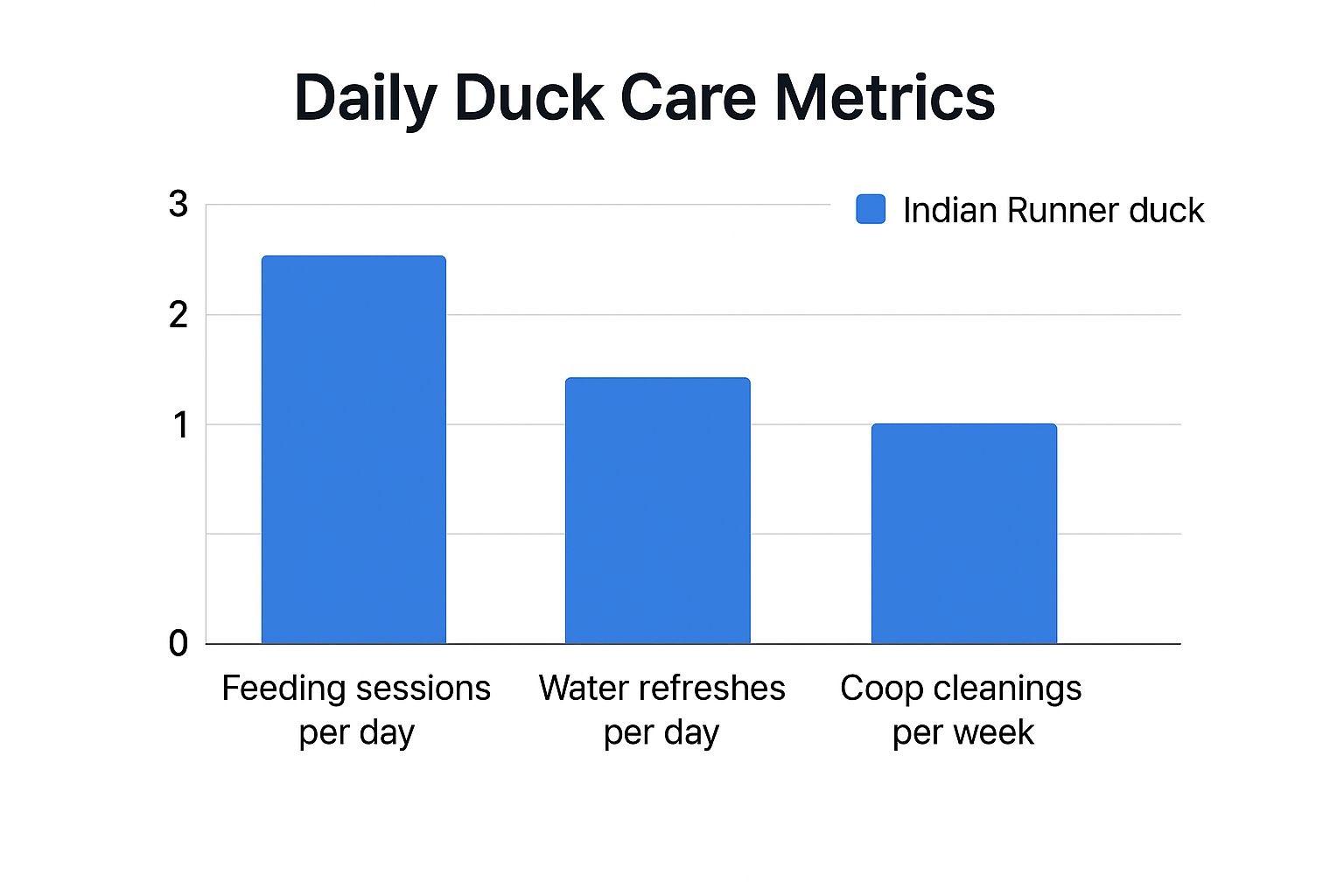
The chart above shows how often to perform essential daily duck care tasks: feeding, water changes, and coop cleaning. Providing fresh food and water twice a day, along with bi-weekly coop cleanings, creates a healthy and productive routine. This contributes to the ducks’ well-being and supports optimal egg production.
Nutritional Support for Consistent Laying
A balanced diet is essential for consistent egg production. Use a high-quality layers pellet specifically designed for waterfowl. Also, make sure they have access to calcium supplements like crushed oyster shells. This is important for strong eggshells and prevents calcium deficiencies, especially during times of high production. Indian Runner ducks are known for their productivity, laying anywhere from 173 to over 250 eggs annually, depending on factors like diet and overall health. This makes them a favorite among UK backyard keepers. Find more detailed statistics here. This rivals breeds like the Khaki Campbell, which is partly descended from Indian Runners.
Managing Broody Behaviour
Broodiness, the instinct to sit on eggs, can interrupt laying patterns. If you aren’t planning on hatching ducklings, discourage broodiness by quickly removing eggs and offering distractions like foraging toys. This helps them focus on laying again.
Realistic Expectations and Seasonal Adjustments
Egg production naturally changes throughout the year. Expect a decrease in laying during moulting and the shorter winter days, even with added light.
The following table provides a helpful overview of factors affecting egg production in Indian Runner Ducks, particularly in the UK:
Indian Runner Duck Egg Production Comparison
This table compares egg production rates, the factors that influence productivity, and seasonal variations specifically relevant to the UK.
| Factor | Impact on Production | Optimal Range | UK Seasonal Notes |
|---|---|---|---|
| Daylight Hours | Significant impact, stimulates laying | 14-16 hours | Supplemental lighting needed in winter |
| Stress | Can drastically reduce production | Minimal stress | Ensure ample space, secure housing, and a predictable routine |
| Nutrition | Fundamental to consistent laying | Balanced diet, calcium supplements | Layers pellets formulated for waterfowl, crushed oyster shells |
| Broodiness | Disrupts laying patterns | Not applicable if not hatching | Remove eggs promptly, provide distractions |
| Moulting | Natural dip in production | Varies, typically late summer | Expect reduced laying |
| Winter | Reduced daylight hours decrease production | N/A | Supplemental lighting can mitigate, but some reduction is normal |
By understanding these natural rhythms and using the strategies discussed, you can maximize your Indian Runner ducks’ egg production and enjoy a steady supply of fresh duck eggs all year.
Creating Sustainable Care Routines That Actually Work
Keeping Indian Runner ducks in the UK doesn’t require perfect conditions. It’s more about developing manageable routines that fit your lifestyle while providing consistent, high-quality care. This involves understanding your ducks’ needs and adapting your routines to suit your schedule and the typical UK work week.
Structuring Daily Tasks for Maximum Efficiency
Many experienced keepers structure their day around essential duck care tasks. This might involve a morning feeding before work, a quick water refresh at lunchtime if you’re working from home, and an evening check before dark. For instance, morning feeding could involve scattering feed to encourage foraging, while evening checks focus on securing the duck house against predators like foxes.
These seemingly small actions have a significant impact on your ducks’ well-being. A consistent routine also helps you quickly notice any changes in their behavior or health.
Weekly Maintenance and Seasonal Adjustments
In addition to daily tasks, weekly maintenance is crucial. This could include cleaning the duck house, checking for parasites, and replenishing grit or oyster shell supplements. These tasks are vital for preventing problems before they start.
Seasonal adjustments are also essential for Indian Runner duck care in the UK. Winter routines might involve adding extra bedding for warmth and making sure water doesn’t freeze. During the summer, providing shade and plenty of fresh water becomes a priority. This means your routine will change throughout the year to match the British weather.
Avoiding Burnout and Maintaining Enthusiasm
Caring for animals can be demanding, so maintaining enthusiasm and avoiding burnout is important. This means creating routines that are both efficient and enjoyable. Finding ways to streamline tasks and minimize effort without compromising duck welfare is key for long-term success. You might find this interesting: How to master hatching your own Indian Runner Ducks.
Time-Saving Strategies and Holiday Arrangements
Think about time-saving strategies like using automatic drinkers or feeders. These can free up valuable time and ensure your ducks always have access to food and water. Having a plan for holiday cover is also essential. This might mean asking a friend, neighbour, or finding a local duck sitter.
Record-Keeping Systems for Health and Productivity
Keeping simple records can help you monitor your ducks’ health and productivity. This could be a notebook where you jot down unusual behavior, egg production, or health concerns. This will help you spot patterns and provide valuable information to your vet, if needed. It doesn’t need to be complicated, but even a basic record can be surprisingly helpful.
The following table offers a sample care schedule that can be adapted to your situation:
Indian Runner Duck Care Schedule
This table provides a comprehensive overview of daily, weekly, and seasonal care tasks for optimal duck management.
| Task | Frequency | Time Required | Seasonal Notes |
|---|---|---|---|
| Feeding | Daily | 5-10 minutes | Adjust quantity based on season and foraging opportunities |
| Water Refresh | Daily | 5 minutes | More frequent in hot weather; prevent freezing in winter |
| Coop Cleaning | Weekly | 30 minutes | Add extra bedding in winter |
| Health Check | Weekly | 15 minutes | Pay close attention during moulting and winter |
| Egg Collection | Daily | 5 minutes | Frequency depends on laying rate |
| Security Check | Daily | 5 minutes | Especially important at nightfall |
| Predator-Proofing | Monthly | 30 minutes | Reinforce fencing, check for weaknesses |
| Deep Clean Housing | Monthly | 1 hour | Thorough cleaning and disinfection |
This schedule offers a starting point for establishing your routine. Remember to adjust the time required and frequency based on your flock’s specific needs and your individual setup.
By being flexible and realistic with your approach to Indian Runner duck care, you can create sustainable routines that benefit both you and your ducks.
Ready to start your own flock? Explore premium Indian Runner duck hatching eggs at HatchingEggs.eu.